Understanding Transponder Keys, Remote Keys, and Smart Fobs for Your Car
Car keys have changed a lot over the years. What used to be a simple metal blade that turned a mechanical lock is now often a small electronic device that talks to your vehicle before it lets you drive away. If you have had a newer car serviced or lost a key lately, you have probably run into terms like transponder key, remote key, or smart fob. Each works a little differently, and knowing which one you have can save you time and frustration when you need a replacement.
This article explains the main types of modern car keys, how they work, and what you should keep in mind if you ever need a spare or a duplicate. The focus is on the kind of keys with built in security chips that most cars on the road today rely on, whether you drive a compact sedan, a family SUV, or a commercial van.
What Is a Transponder Key?
A transponder key contains a small radio-frequency chip inside the key head. When you insert the key into the ignition or bring it near the steering column, the car sends out a low-power signal. The chip in the key responds with a unique code. If the code matches what the car expects, the engine is allowed to start. If the chip is missing or the code is wrong, the vehicle's immobilizer stays active and the engine will not run.
Transponder keys have been common since the late 1990s and are still the standard for many models. The chip does not need a battery; it is powered by the radio signal from the car. That means a transponder key can last the life of the car without ever needing a fresh battery. The downside is that cutting a new metal blade is not enough. The chip must be programmed to match the vehicle, and that takes a compatible programmer.
Remote Keys: Buttons and Convenience
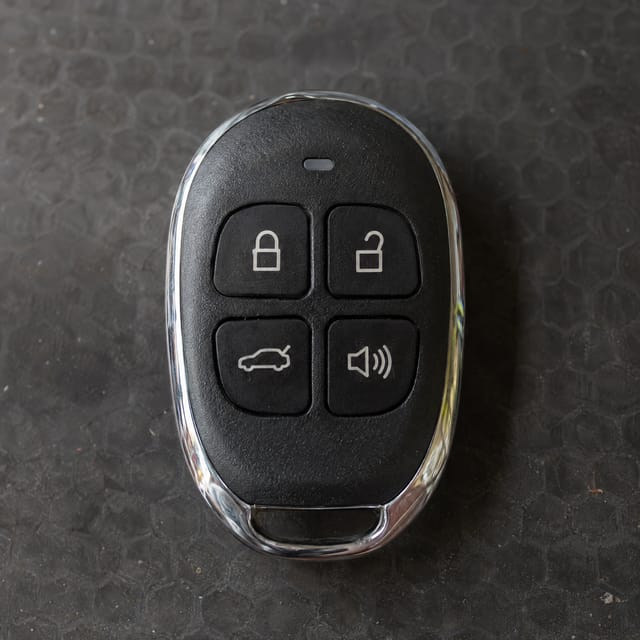
A remote key adds one or more buttons to the key head. These buttons let you lock and unlock the doors, open the trunk, or even start the engine from a distance. The remote function uses a separate radio transmitter inside the key fob, powered by a small battery. When you press a button, the fob sends a coded signal to the car, which then performs the requested action.
Remote keys combine the convenience of keyless entry with the security of a transponder chip. Many modern remotes also include the chip inside the same housing, so one fob does everything: unlock the doors by pressing a button and then start the car by inserting or holding the fob near the ignition. The battery in the remote typically lasts a few years and is replaceable, but the chip itself is battery-free and permanent.
Smart Proximity Fobs
Smart proximity fobs take the idea further. Instead of needing to touch the key to the ignition or press a button, the fob communicates with the car automatically when you are close enough. Walk up to the door, and it unlocks. Get in and press the start button, and the car recognizes the fob in your pocket and lets the engine run.
These fobs are common in push to start systems, where there is no traditional ignition cylinder at all. The car has a start button on the dashboard or console, and the smart fob must be inside the vehicle for the button to work. The fob also handles door locking and unlocking from a short distance. Because the system constantly checks for the fob's presence, the battery in the fob drains a bit faster than in a simple remote. Most manufacturers recommend replacing the fob battery every year or two to avoid being stranded.
How Security Chips Protect Your Car
The central idea behind all these systems is that the metal key blade alone is no longer enough to authorize driving. The car checks for an electronic code from a key with built in security chips before it deactivates the immobilizer or allows the engine to run. This makes stealing a car much harder, because cutting or picking the lock is useless if the chip does not match.
Modern systems also use rolling codes. Each time you use the key, the chip sends a new code based on a secret mathematical sequence. The car knows the sequence and can verify that the new code is valid, but a thief who intercepts one code cannot predict the next one. This prevents most forms of relay attacks and code grabbing.
What About the Key Blade?
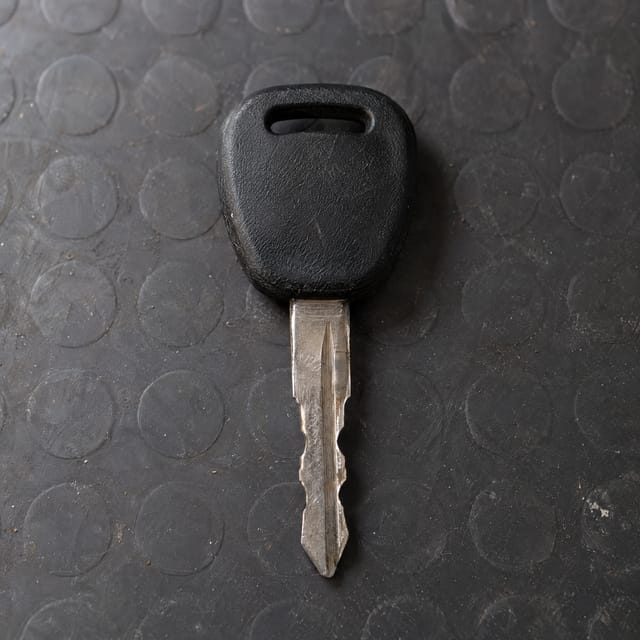
Even with all that electronics, most cars still have a physical key blade for the door locks and, in some cases, a backup mechanical override for the ignition. The blade is cut to match the lock cylinder, just like a traditional key. For transponder keys and remote keys, the blade is usually attached to the same plastic head that holds the chip and buttons. For smart proximity fobs, the blade may be separate or hidden inside the fob itself, meant only for emergency use if the battery dies or the electronics fail.
When you order a replacement, you need both the correct blade cutting and the correct chip programming. A locksmith who works on modern vehicles will have the tools to do both. The blade is cut from a code or a physical copy, and the chip is programmed using a device that connects to the car's diagnostic port or communicates wirelessly.
What to Check Before Ordering a Replacement
- Does your car use a transponder chip, a remote, or a smart proximity fob? Check your owner's manual or look at the key itself. If the key head has buttons, it is a remote. If it is just a plastic head with no buttons, it is likely a transponder. If the key is a small rectangular fob with no visible blade, it is a smart proximity fob.
- Is the key blade separate or attached? Some fobs have a hidden blade that slides out. Others use a separate metal key for the door. Know which you need.
- Does the replacement need to be programmed by a professional? Most do. A few older transponder keys can be cloned by a specialized machine, but newer rolling-code systems require a direct connection to the car's computer.
- How many keys do you want? Having a spare is always smart, especially if you have only one working key. Losing that last key can be expensive and time-consuming.
Keeping Your Keys Working
Batteries in remote keys and smart fobs do not last forever. If your key starts working only when you stand very close to the car, or if the range for locking and unlocking drops, it is probably time to change the battery. Most fobs use a standard coin cell that you can replace yourself with a small screwdriver. Check the manual for the correct battery type and polarity.
Transponder chips, because they have no battery, rarely fail. But the chip can be damaged by impact or water. If the key head cracks or gets soaked, the chip may stop responding. Keep your keys dry and avoid dropping them on hard surfaces. If the chip does fail, the key cannot be repaired; you will need a new key programmed.
When You Need a Replacement
If you lose your only key or it stops working, the process is straightforward but requires the right equipment. A mobile locksmith can come to your location, cut the new blade from the lock or from a code, and program the chip using a specialized tool that talks to your car's electronics. This is often faster than going to a dealership, and it avoids the need to tow the vehicle.
Before you call, have your vehicle identification number ready. Some systems also require a master code or a security indicator that the locksmith can retrieve from the car. The process usually takes less than an hour for a standard transponder key or remote, and a bit longer for smart proximity fobs that need to be paired with multiple systems in the car.
Final Thoughts
Modern car keys are small computers on their own. Understanding whether you have a transponder key, a remote key, or a smart proximity fob helps you know what to expect when you need a duplicate or a replacement. The metal blade is still part of the picture, but the real security comes from the electronic chip inside the key head. That chip, combined with rolling codes and an immobilizer in the car, makes modern vehicles much harder to steal than their predecessors.
If you ever find yourself needing a new key, a qualified locksmith with the right programming tools can handle the job. Just be sure to have a spare made while you still have a working key, because making a key from scratch is always more involved than copying one that already works.